
POWER
-
 News
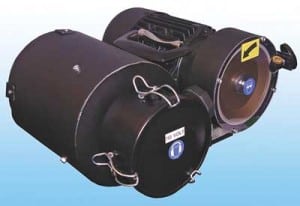
NewsImproved Tungsten Electrode Grinder
Tungsten inert gas and plasma welding require tungsten electrodes with perfectly ground and polished tips. The improved Techweld TEG – 3 Tungsten Electrode Grinder, from British company Huntingdon Fusion Techniques Ltd. uses a diamond wheel to grind tungsten electrodes longitudinally and produce the same tungsten points every time. This prevents arc flicker or wander caused […]
-
 Coal
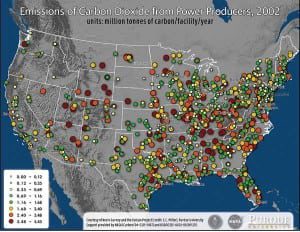
CoalCO2 Source and Sink Tracking Improving
Many opponents of climate change policies and regulations argue that it is unfair to penalize some sectors — like power generation — more heavily than others when it’s difficult to prove precisely where specific greenhouse gas (GHG) emissions are coming from, where they’re going, and what effect they are having. Toward the ends of scientific understanding and sound public policy, scientists are making progress in isolating GHG sources and sinks.
-
 Nuclear
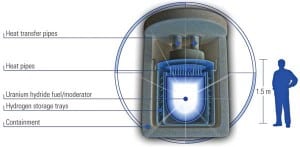
The Race to Commercialize Mini–Nuclear Reactors
Though the resurgence of interest in nuclear power in recent years has spurred development of an assortment of reactor designs, emphasis has mostly been on those with capacities to produce thousands of megawatt-hours of baseload power, as is the case with designs from General Electric, AREVA, Westinghouse, and Mitsubishi that are under active review by the U.S. Nuclear Regulatory Commission (NRC). Power projects using any of those designs will be developed at the cost of many billions of investment dollars.
-
 Hydro
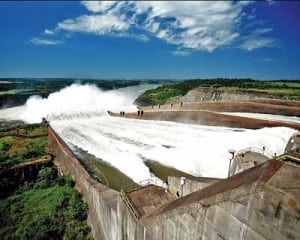
HydroBrazil Approves Hotly Contested Construction of Amazon Dam
In an effort to more than double its power capacity by 2030, the Brazilian government in November approved construction of a controversial $3.9 billion hydroelectric dam on the Madeira River, in the Amazon. When completed in 2013, the Jirau hydroelectric plant could add 3,300 MW to the country’s already massive 59 GW hydroelectric capacity.
-
 O&M
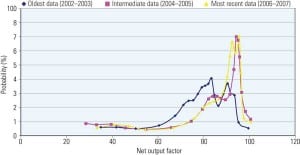
O&M2009 Industry Forecast: Existing Generating Assets Squeezed as New Project Starts Slow
Most forecasting reports concentrate on political or regulatory events to predict future industry trends. Frequently overlooked are the more empirical performance trends of the principal power generation technologies. Solomon & Associates queried its many power plant performance databases and crunched some numbers for us to identify those trends.
-
 Geothermal
New Zealand Geothermal Station Opens
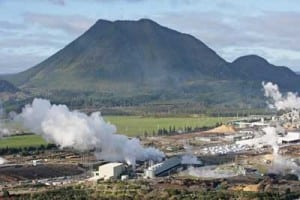
New Zealand’s biggest geothermal energy project in 20 years was officially opened in Kawerau in late November. The state-owned Kawerau Geothermal Station (Figure 5), on the North Island, adds 100 MW to the national grid.
-
 Business
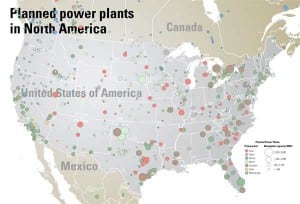
Planned Power Plants in North America
Courtesy: Platts Data source: Platts Energy Advantage and POWERmap. All rights reserved.
-
 Waste to Energy
Landfills: From Trash to Treasure
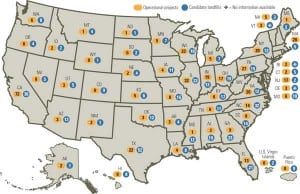
The U.S. Environmental Protection Agency (EPA) has described landfills as an "effectively untapped resource" for renewable energy. The agency estimates that landfills are the source of about 12% of global methane emissions. (Methane is about 21 times more powerful as a greenhouse gas than CO2.) The EPA estimated that there were some 1,000 projects around […]
-
 Coal
CoalA Fresh Look at Coal-Derived Liquid Fuels
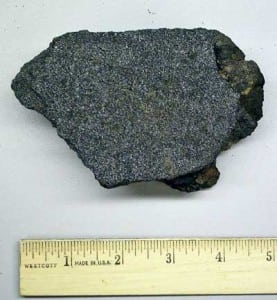
Thirty-five percent of the world’s energy comes from oil, and 96% of that oil is used for transportation. The current number of vehicles globally is estimated to be 700 million; that number is expected to double overall by 2030, and to triple in developing countries. Now consider that the U.S. has 27% of the world’s supply of coal yet only 2% of the oil. Coal-to-liquids technologies could bridge the gap between U.S. fuel supply and demand.
-
 Wind
WindBanking Wind
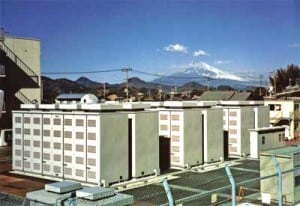
This spring, Xcel Energy, along with state and technology partners, is set to test what the utility says is the first battery capable of storing wind energy. The ability to store energy from renewable generation sources with variable output is key to maximizing the value of renewable power in general and to Xcel’s “smart grid” plans in particular.